
Contractor Marketing Blog
The WNC Contractor's Seasonal Marketing Playbook: What to Push Each Quarter
Published 2026-04-30 · 9 min read
WNC contractors lose slow-season revenue by marketing too late. Here's the quarterly playbook for HVAC, roofing, plumbing, and landscaping in Asheville.
Key Takeaways
- Market 6–8 weeks before the demand arrives, not in response to it.
- Lead generation is a compounding game — start early or get buried.
- Each trade has a specific seasonal window that drives the highest-converting campaigns.
- Automation keeps the rotation running when you're on the job site.
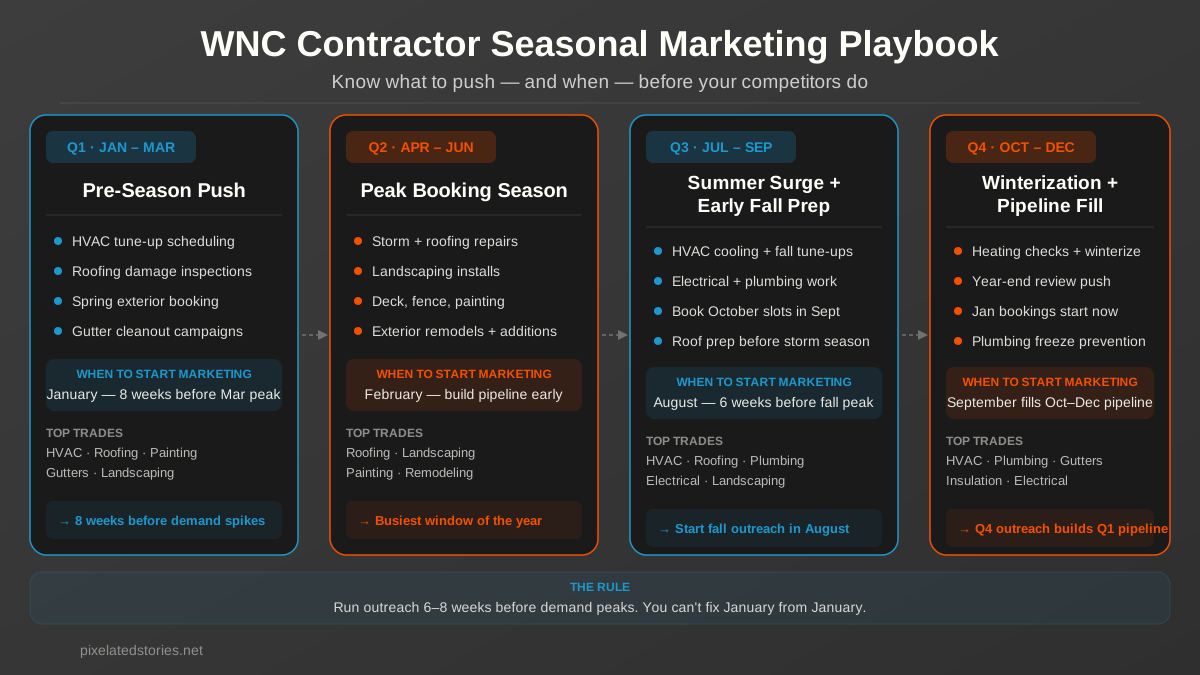
If your phone is slow in January, the problem started in October. That's how contractor marketing works in Western North Carolina — by the time you feel the pain, the window to fix it has already closed.
The contractors filling their calendar in spring aren't doing something magical. They started promoting in winter. They know their trade's seasonal rhythm and they market six to eight weeks ahead of the demand, not in response to it.
This is the quarterly playbook for how that works, broken down by trade, with the specific moves that matter each season.
Why Reactive Marketing Always Loses
Most contractors market when they're slow. That logic feels right. You have time, you're not booked out, so you put out some posts or update your website. The problem is timing.
By the time homeowners in Asheville and Hendersonville are searching for a roofer after a storm, or an HVAC tech before summer, they are already comparing quotes. The contractors who show up at the top of that search didn't just start trying. They've been building visibility for months.
Lead generation for home service businesses is a compounding game. SEO rankings take time. Review volume builds slowly. Email lists need to be warmed up before you ask for a booking. If you wait until you need work, you are three months behind every competitor who planned ahead.
The fix is a quarterly rhythm. You know when your busy season hits. Work backward from that date and start your marketing push before the demand arrives.
Q1 (January–March): Plant the Seeds Before the Thaw
January feels dead, but it's the highest-leverage window of the year for two trades: HVAC and roofing.
HVAC
Homeowners who had heating issues over winter are already thinking about it. They're not searching yet, but they're open. A well-timed email to your existing customer list offering a pre-season tune-up special in February will book jobs in the slowest month of the year. We've seen contractors in the Asheville area convert these at a 20–30% open rate because the list is warm and the timing matches a real concern.
Your Google Business Profile posts should be pushing heating maintenance angles in January and flipping to cooling prep by mid-February. Get there before your competitors, who typically wait until April.
Roofing
Storm season in WNC runs February through April. Your marketing needs to be running in January so you have the reviews, the rankings, and the visibility before hail or wind damage sends homeowners to Google. Black Mountain and Weaverville get significant storm activity — if you're a roofer who serves those areas and your GBP is optimized, you will get those calls.
Q1 is also the right time to push spring exterior booking campaigns. Homeowners who want work done in April or May start their research in February. Capture that attention now and follow up through the close.
Q2 (April–June): The Busiest Booking Window of the Year
Q2 is prime time for almost every trade in WNC. Homeowners are outside, they're seeing what broke over winter, and they have tax refunds in their pockets. This is the window where the contractors who marketed in Q1 are fully booked and the ones who waited are scrambling to catch up.
Roofing
April and May are peak season. If you're a roofing contractor in Asheville, you should have been pushing content, ads, and review collection since February. By April, your job is to respond fast and close the estimates you're already getting. Booked three weeks out is the goal.
Landscaping and Outdoor Installs
Deck builders, fence contractors, landscape companies, and hardscape crews have a narrow window. Homeowners want projects done before summer heat sets in. Your marketing in Q2 should focus on urgency — limited slots, realistic timelines, and photos of local work in WNC so prospects can see you know the terrain.
Plumbing and Electrical
Spring renovations drive significant plumbing and electrical demand. Bathroom remodels, kitchen upgrades, and outdoor water features all need a licensed pro. Your Q2 campaigns should be targeting renovation-adjacent keywords and partnering with general contractors who need reliable subs.
The biggest mistake we see in Q2 is contractors going quiet on marketing because they're busy. That's the moment to stay visible, because the jobs you book in May and June fund July.
Q3 (July–September): Keep the Momentum and Start Looking at Fall
Summer is loud. Phones are ringing, crews are working, and it's easy to let marketing drift. The contractors who keep pushing in July and August set themselves up for a stronger fall.
HVAC
Cooling season runs hard through August. Your marketing should be focused on emergency service, same-day availability, and cooling tune-ups. By late August, smart HVAC companies in the Hendersonville and Brevard areas are already sending "get your heating system checked before fall" messages to their lists. That's the transition play — flip the messaging before homeowners even feel the temperature change.
Roofing and Exteriors
Late summer is a strong time to close the homeowners who were researching in Q2 but didn't pull the trigger. A simple follow-up sequence to estimate requests that didn't close can bring in 10–15% of jobs that would have otherwise gone cold. If you don't have a follow-up system running, you're leaving those on the table every summer.
Back-to-School Timing
September shifts homeowner attention to the house as fall approaches. Interior projects, HVAC maintenance, and winterization prep start showing up in search. Get your September content queued up in August so you're not scrambling.
Q4 (October–December): Fill the January Pipeline Before It Goes Empty
Q4 is when most contractors make the mistake of coasting. Jobs slow down, holidays come, and marketing stops. The problem is that January feels brutal because of decisions made in October and November.
HVAC and Plumbing
Winterization campaigns are your highest-converting Q4 play. Homeowners in WNC take frozen pipes and failing furnaces seriously. A simple email sequence pushing winterization check-ups in October and early November will book jobs through December and give you committed customers who will call again in spring.
Roofing
Fall is your last window for exterior work before weather shuts it down. Homeowners who procrastinated on spring storm damage repairs are running out of time. Urgency-based campaigns with real timelines ("we can still get to your roof before November 15") close jobs that would otherwise get pushed to spring.
Reviews and Year-End Strategy
Q4 is your best window for review collection. You just completed a full season of work. Reach out to every happy customer from Q2 and Q3 and ask for a Google review. A roofing company that adds 40 reviews between October and December enters Q1 with a significant visibility advantage over competitors who have been quiet.
Use December to build your January pipeline. A "schedule now for early spring" offer to your email list fills your calendar before anyone else is marketing. Contractors who do this in Asheville consistently open February with three to four weeks of booked work.
How Automation Keeps the Rotation Running
The playbook above isn't complicated, but it requires consistency. Most contractors don't execute it because they don't have a system. When you're on a job site in July, you're not thinking about your fall email campaign.
That's where automation handles the heavy lifting. A properly built follow-up system schedules your seasonal campaigns in advance, sends them at the right time, follows up with leads who don't respond, and routes hot prospects directly to your phone. You set it up once and it runs the rotation for you.
This is the core of what we build for contractors in WNC. Your seasonal rhythm is predictable. Your marketing should be too.
Frequently Asked Questions
How far in advance should a WNC contractor start marketing before their busy season?
Six to eight weeks is the working rule for most trades in Western North Carolina. HVAC and roofing contractors need the longest runway because SEO rankings and review volume don't move overnight. If you want booked jobs in April, your marketing push needs to start in February at the latest. The more you rely on Google search for leads, the earlier you need to start.
What if I missed the window and my phone is already slow?
Start now anyway. You can't recover the six weeks you missed, but you can stop the bleeding and build visibility for the next cycle. Paid ads (Google Local Services Ads or Google Ads) can generate calls faster than SEO while your organic presence builds. Running both at the same time is the fastest way to close the gap.
Which trade has the tightest seasonal window in WNC?
Roofing and exterior work have the least margin for error. Storm season runs February through April, and the fall window closes by mid-November. If a roofing company isn't visible before storm activity picks up, they lose that demand entirely. There's no catching up after a hail event — the calls go to whoever was already ranking.
Do seasonal campaigns work for service area businesses outside of Asheville?
Yes. The same timing principles apply across the WNC region. Hendersonville, Black Mountain, Weaverville, Brevard, and Waynesville all follow similar seasonal patterns. The specific geography matters for targeting — a plumber in Brevard should be showing up in Transylvania County searches, not just Buncombe County. Getting your service area right in your Google Business Profile and on your website is part of making the seasonal push land.
How do I track whether my seasonal marketing is actually working?
The two numbers that matter most are call volume and booked job rate by month. Track both month over month and compare them to the same period in previous years. Google Business Profile gives you call and direction request data for free. If you're running email campaigns, track open rates and reply rates. The goal is to see your busy-season numbers start climbing two to three weeks after you launch each seasonal push.

About the author: Jason De Los Santos
Jason is the founder of Pixelated Stories in Asheville, NC. He helps home service businesses tighten up websites, follow-up, and local visibility so more inbound calls turn into booked jobs.
Get your seasonal plan built
We work with HVAC companies, roofers, plumbers, landscapers, and electrical contractors across Asheville, Hendersonville, Black Mountain, and greater WNC. We build the seasonal marketing rhythm into your system from day one.